
Supporting responsible transboundary waste management
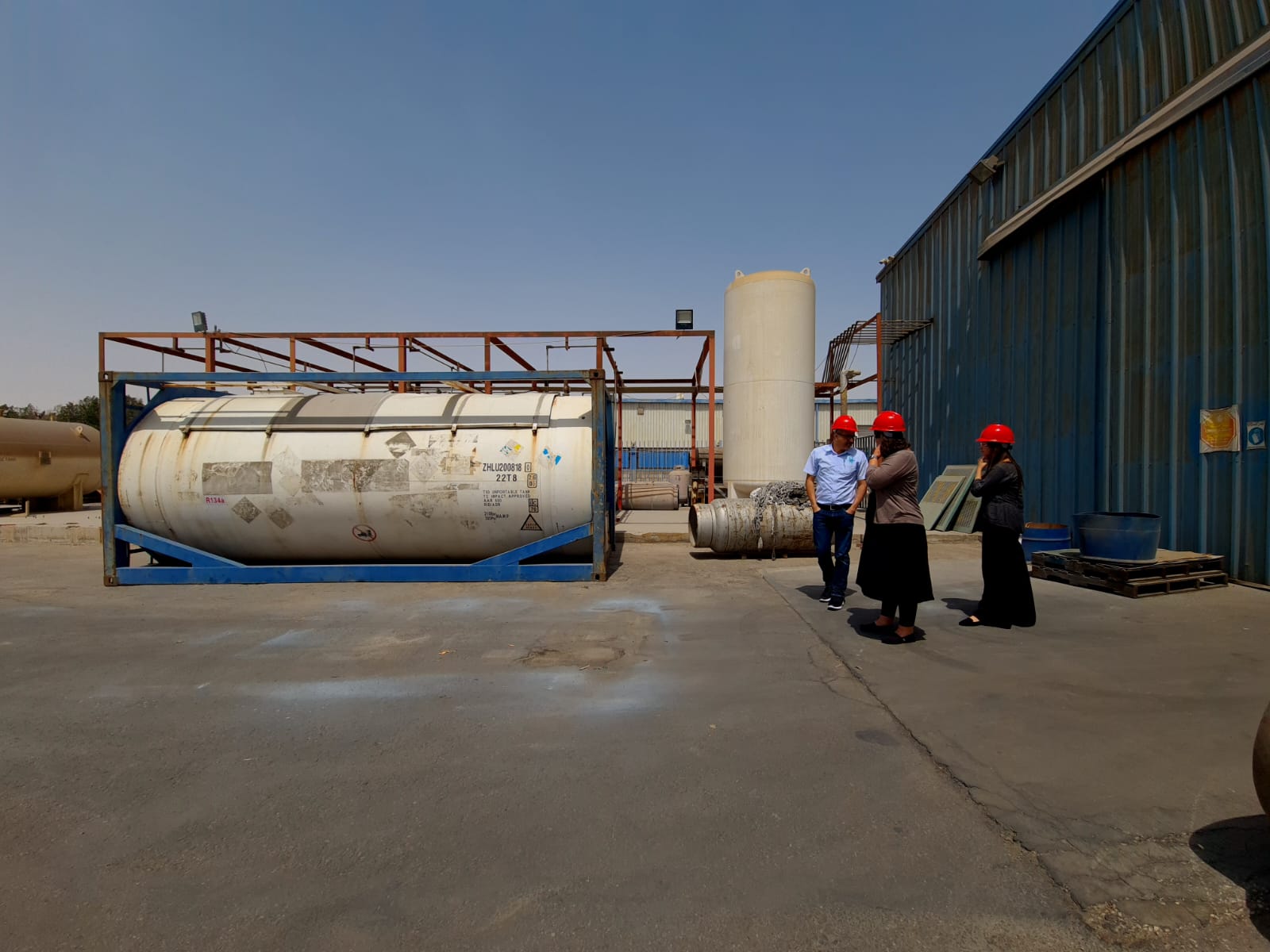
Around the world, large volumes of end of life waste refrigerants need a safe final management pathway. Many ODS refrigerants have been phased out by the Montreal Protocol, while HFCs are being phased down under the Kigali Amendment. In many cases, these gases are found in countries which do not have suitable local destruction capacity. When destruction is the appropriate pathway, safely managing these gases may require moving refrigerant waste across borders to qualified facilities. The Basel Convention provides the framework to make this possible.
Tradewater can help identify qualified destruction pathways and manage Basel-compliant movement of refrigerant waste to destruction.
What is the Basel Convention?
The Basel Convention on the Control of Transboundary Movements of Hazardous Wastes and their Disposal was adopted in 1989. Its purpose is to protect human health and the environment from the harmful effects of hazardous waste and other wastes, including by controlling how these materials move across borders. The convention was created in part to prevent hazardous waste from being exported to countries without the capacity to manage it safely. Waste refrigerants with Ozone Depletion Potential (ODP) or a high Global Warming Potential (GWP) may be subject to the Basel Convention controls depending on the material, its condition, intended treatment, and applicable national rules.
When moving wastes across borders so that they may be destroyed in specialized facilities, the framework set out by the Basel Convention must be followed. Working in accordance with these requirements is key to ensuring that lifecycle refrigerant management is carried out in a responsible manner.
What is the process for complying with the Basel Convention?
Waste refrigerants that are subject to Basel controls must be managed in accordance with Basel Environmentally Sound Management (ESM) standards to prevent environmental harm. There are 191 current parties to the Basel Convention. While the Convention sets the international framework, each country has its own rules, and each country ultimately decides which materials can cross its borders. For example, some countries might require more documents than others. And some countries prevent the movement of these materials entirely.
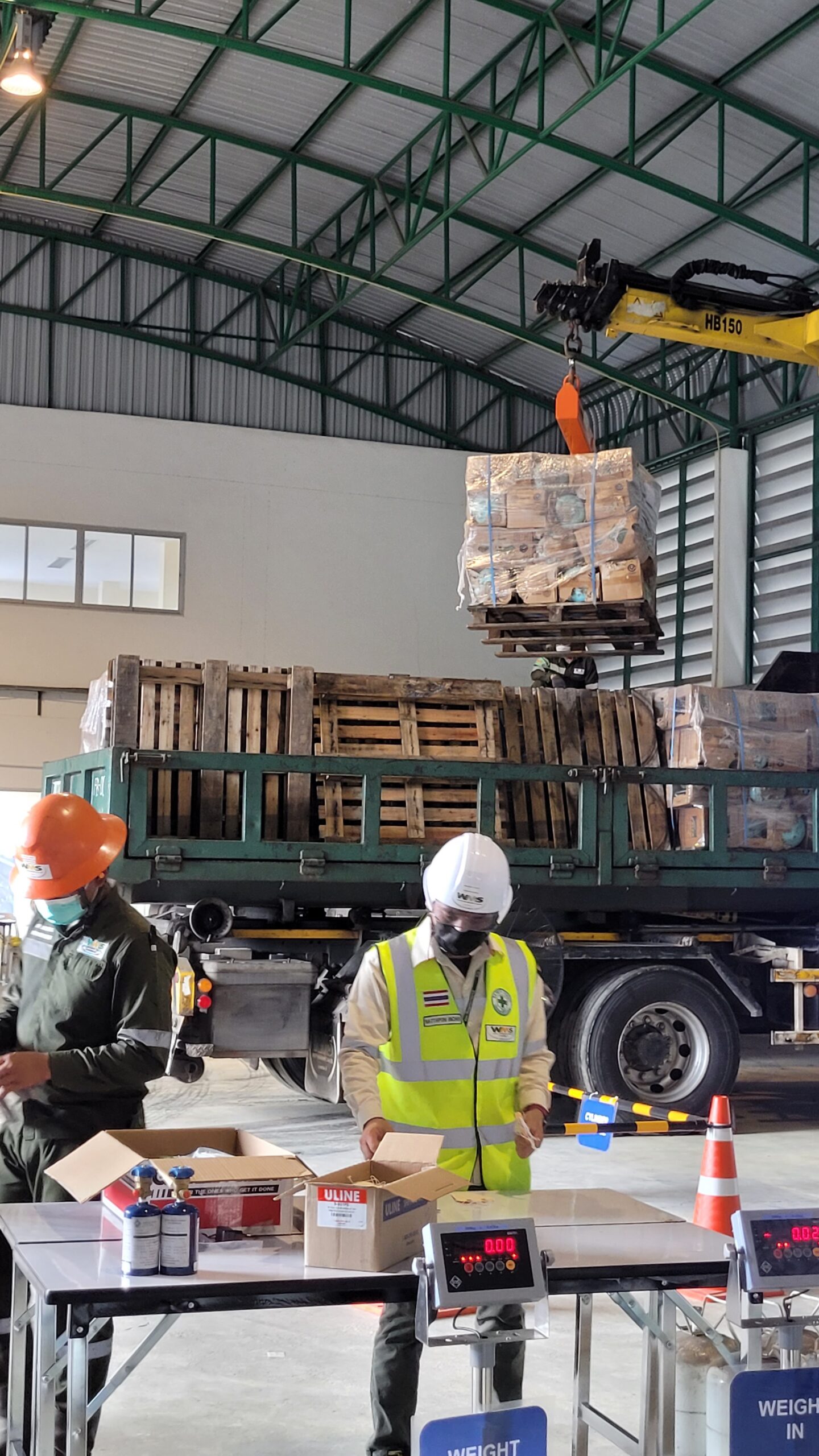
Moving waste across international borders under the Basel Convention is a highly regulated process that requires coordination between waste generators, licensed facilities, logistics providers, competent authorities, and customs agencies. While specific requirements vary by country, most projects follow the steps below:

Our experience navigating the Basel Convention
At Tradewater, we are experienced with navigating the Basel Convention, and we have learned that flexibility and persistence are essential. Regulatory requirements evolve, transportation routes change, and unexpected challenges can arise at any stage of the process. By combining technical expertise with practical execution experience, we help organizations navigate one of the world's most complex environmental compliance frameworks and successfully move refrigerant destruction projects from concept to completion.
Every Basel notification is different. Requirements vary significantly depending on the countries involved, the type of waste, the proposed disposal route, and national interpretations of the Convention. Our team manages the entire process—from route design and authority engagement to shipment execution and final disposal confirmation.
Varying timelines
Depending on the countries involved, the type of waste, and the complexity of the proposed route, Basel notification processes can have widely varying durations. Factors such as additional information requests, national permitting requirements, transit country reviews, and financial assurance requirements can significantly impact timelines.
Route planning and shipping constraints
A notification may require approval from multiple transit authorities depending on the transportation route. Each additional transit country introduces another regulatory review layer that may affect timelines and documentation requirements.
Every shipment instance is unique. While fewer countries will often make for a preferred transit route, sometimes the most direct route is not the most practical. For example, some routes may involve additional documentation requirements, paper-based processes, longer review timelines, or transit authorities that need more information before providing consent. These factors can affect the timeline even when the material is ready for shipment. Further, while some countries provide a list of authorized shippers for waste, the Basel Convention does not require them to do so. Based on our experience, only a small number of shipping lines accept this material.
Through years of managing international waste movements, we have learned that successful notifications depend as much on preparation and stakeholder coordination as they do on regulatory compliance itself. Early engagement with competent authorities, complete and accurate documentation, practical routing strategies, and proactive identification of country-specific requirements can significantly improve outcomes and reduce avoidable delays.
Varying requirements
One of our most valuable lessons has been recognizing that requirements are not always limited to those explicitly described in international guidance. Additional documentation requests, financial assurance mechanisms, permitting requirements, or administrative procedures may arise throughout the review process. Our experience has allowed us to anticipate these requirements earlier, prepare more robust notification packages, and respond efficiently when additional information is requested.
The importance of communication
Our team has built global relationships which allow us to identify suitable destruction pathways. Competent authorities, disposal facilities, transport providers, customs agencies, brokers, and project owners each play an important role in the process. Maintaining clear communication and alignment across all parties is often critical to keeping projects moving forward.
Identifying obstacles
Over time, our team has developed a practical understanding of common approval bottlenecks, documentation challenges, transportation constraints, and route-specific considerations. This experience enables us to identify potential obstacles early, develop realistic project timelines, and build notification strategies that are both compliant and operationally achievable.
If you have a project planned to move and destroy refrigerants in compliance with the Basel Convention, Tradewater can help. Reach out to Ana Fernández, Logistics Manager, at afernandez@tradewater.us
Our presence at OEWG
To foster strong working relationships, our team is committed to attending the Open-ended Working Group (OEWG) meetings, and the Conference of the Parties (COP) to the Basel Convention. These are forums where Parties to the Basel Convention meet to improve the import, export, and handling of waste.
OEWG and COP provide opportunities to introduce Tradewater’s work, learn from Parties and competent authorities, and build trust with stakeholders involved in transboundary waste movement. As a company focused on measurable climate impact, our mission is to destroy as many harmful refrigerants as possible. We’re aligned with the Basel Convention’s objective to protect human health and the environment, by responsibly disposing of these materials before their greenhouse gas emissions damage our planet.
Our goal is to better understand how we can work with Parties to improve the process in each country. In addition to the Basel Convention forums, we also attend the Meeting of the Parties to the Montreal Protocol on Substances that Deplete the Ozone Layer (MOP) in our mission to support stronger dialogue between the Montreal Protocol and Basel Convention communities. Better coordination between Ozone Officers, Basel focal points, and other stakeholders can help countries plan earlier, avoid stranded stockpiles, and move refrigerant waste safely and legally to destruction when export is needed.
Tradewater welcomes conversations with Basel focal points, National Ozone Units, destruction facilities, logistics providers, governments, and organizations working on end-of-life refrigerant management.
If you are working on refrigerant waste, destruction planning, or transboundary movement under the Basel Convention, we would be glad to connect. Contact Ana Fernández, Logistics Manager, directly at afernandez@tradewater.us